A relaxing trip in Mie and Kihoku
Why not enjoy nature in the Miyama area, home to the most popular Magose Pass on the Kumano Kodo Iseji route (a UNESCO World Heritage site) and the miraculously clear Choshi River?
-
-
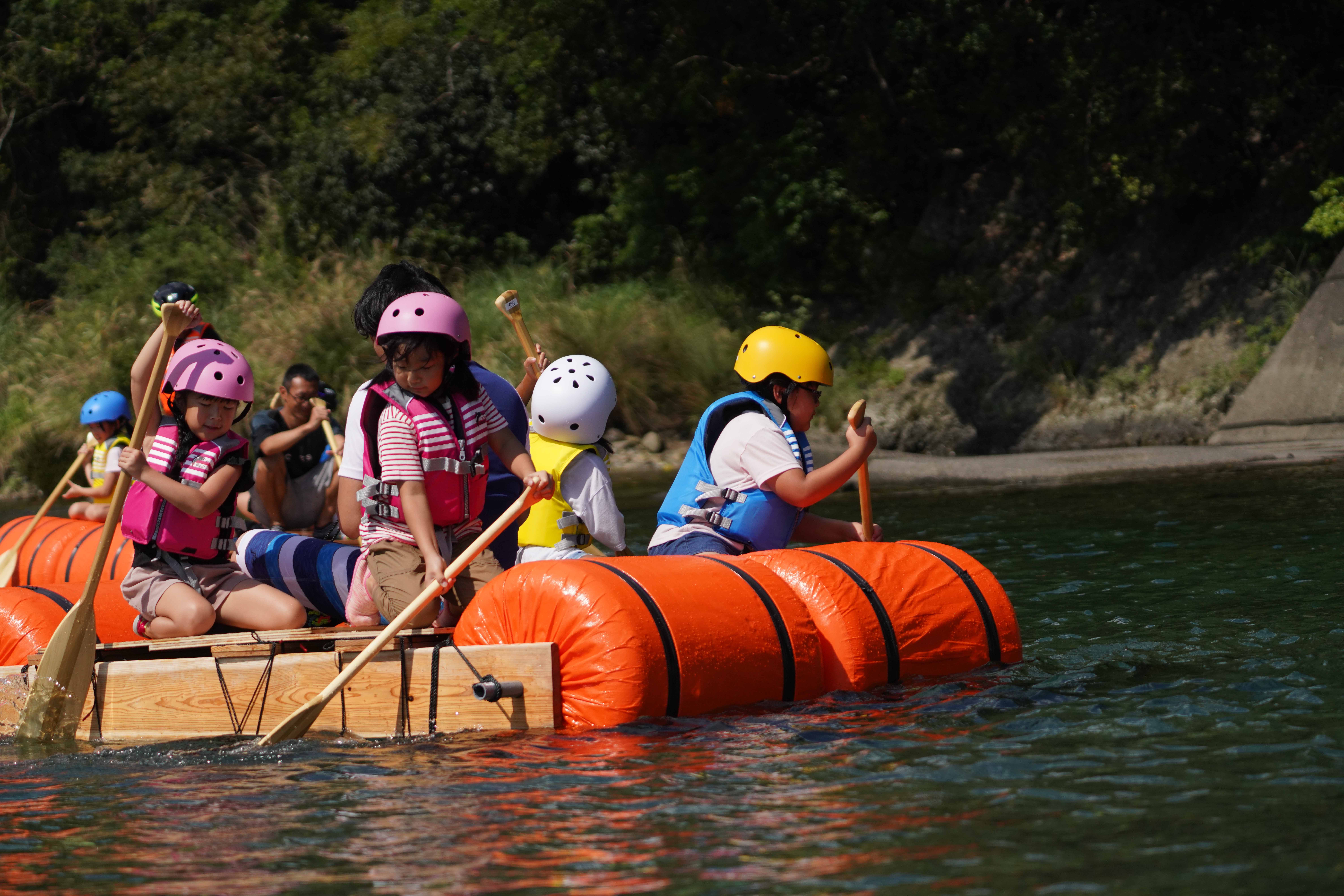
In the lower reaches of the miraculously clear Choshi River, you can experience a "river rafting experience on a handmade raft assembled using ropes." With the help of staff, participants assemble the raft themselves, then float it on the river and float downstream for about 1 km. Because the river is exceptionally clear, you can also see fish such as ayu swimming around.
-
-
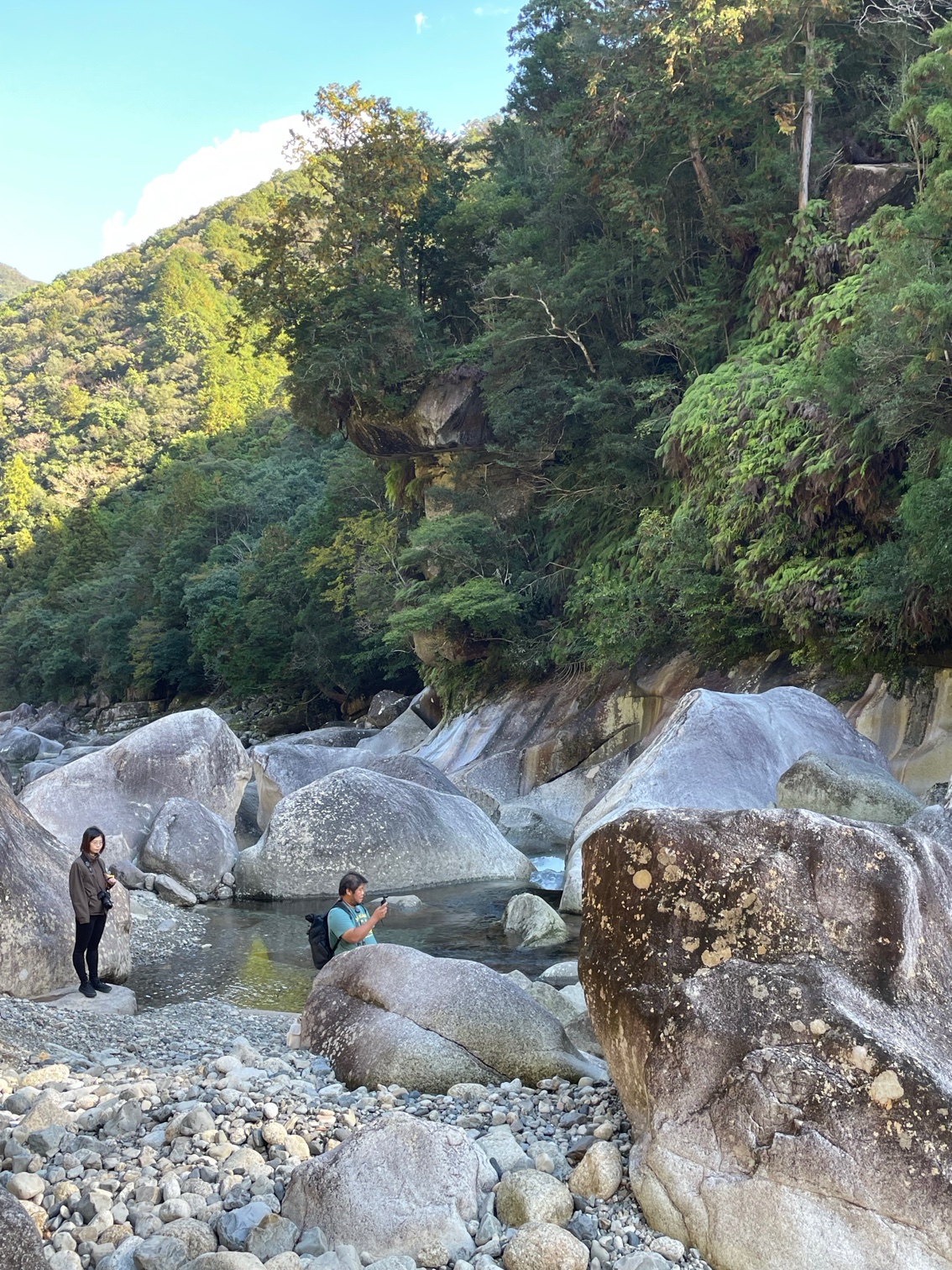
You can take a stroll through the Uotobi Gorge, a roughly 3km-long valley located upstream of the Mataguchi River, a tributary of the Choshi River. This gorge is situated north of the Kumano Caldera and is dotted with massive and unusual igneous rock formations, so much so that it could be called a "valley of stones."
-
-
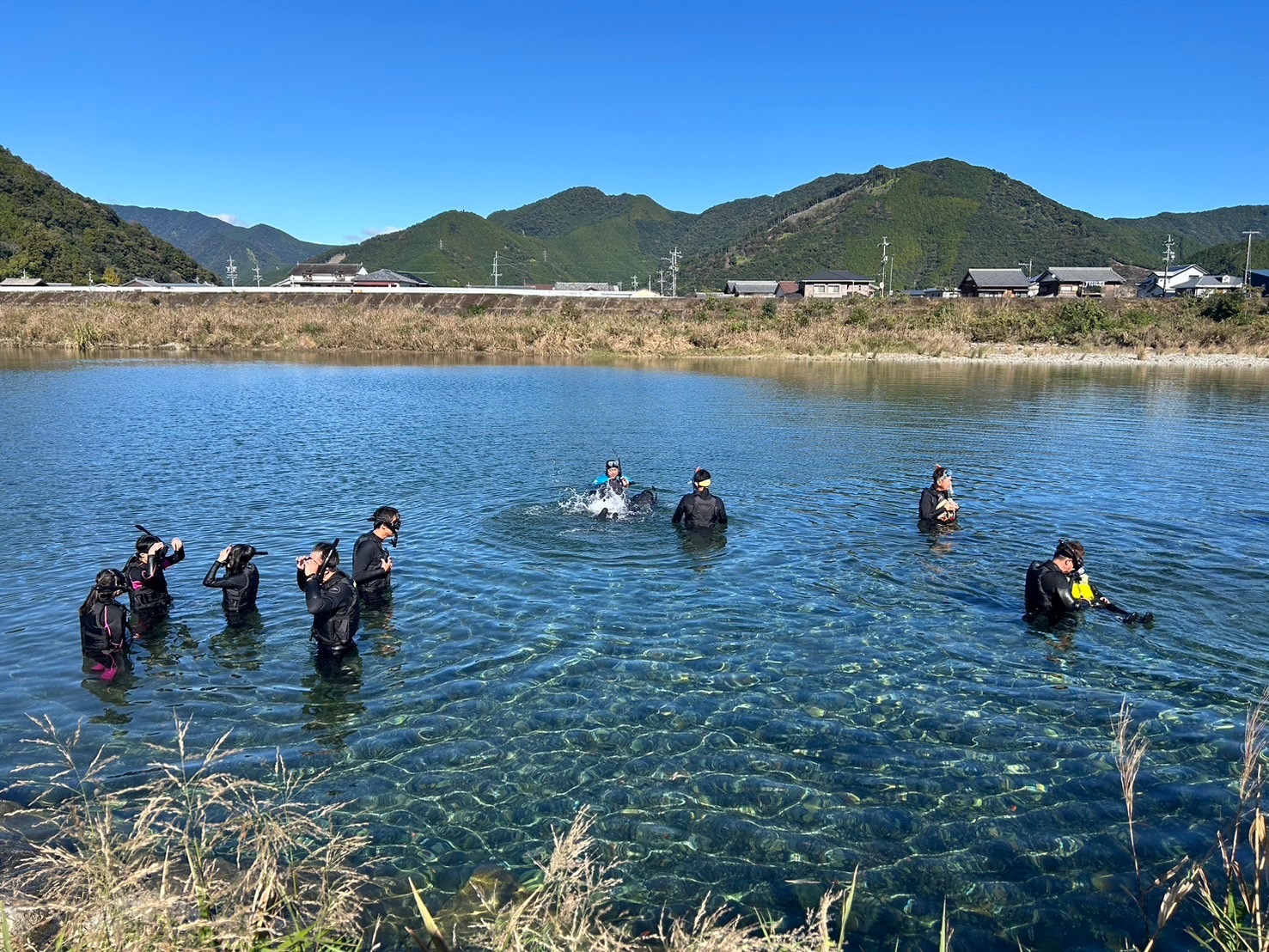
You will observe the "swaying zone" and "creatures" of the lower Choshi River while snorkeling. The swaying zone is a saltwater wedge, named because the boundary between freshwater and saltwater near the river mouth appears to sway like gum syrup underwater.
-
-
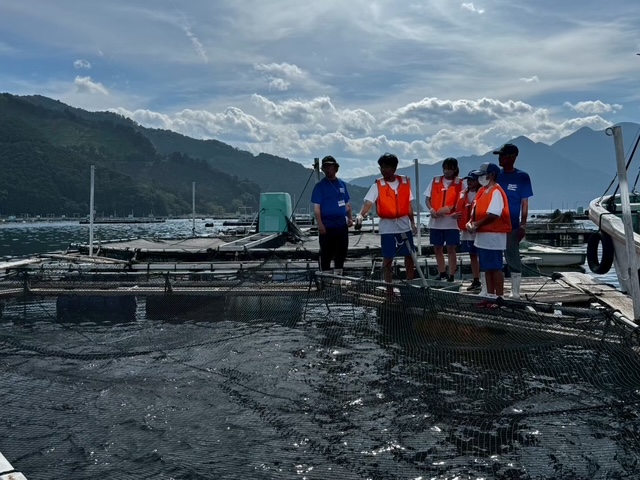
You can experience feeding sea bream farmed in the calm waters of Hikimoto Bay. Before departure, you will receive a lecture about farmed fish in Kihoku Town, and after feeding the fish, you can enjoy a short cruise on a fishing boat upon returning to port.
-
-
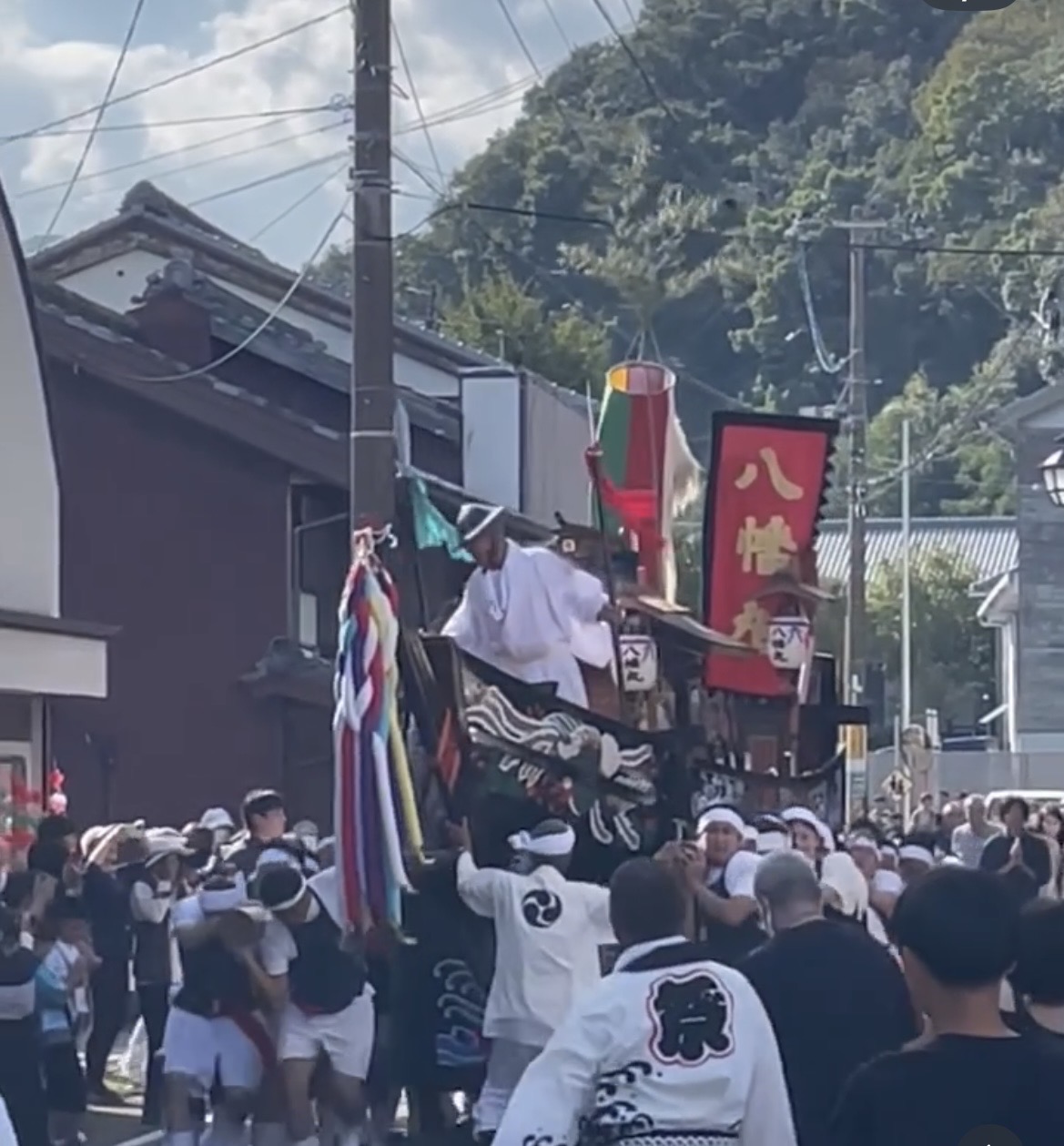
You can visit the "Sekibune Festival," held annually on the third Sunday of October in Hikimotoura. This autumn festival, said to have originated in the Edo period, is a prayer for a bountiful catch and safe voyages. It gets its name from the carrying of the Sekibune, a portable shrine shaped like a ship weighing approximately one ton, which is said to have been used to suppress pirates in the Kumano Sea.
-
-
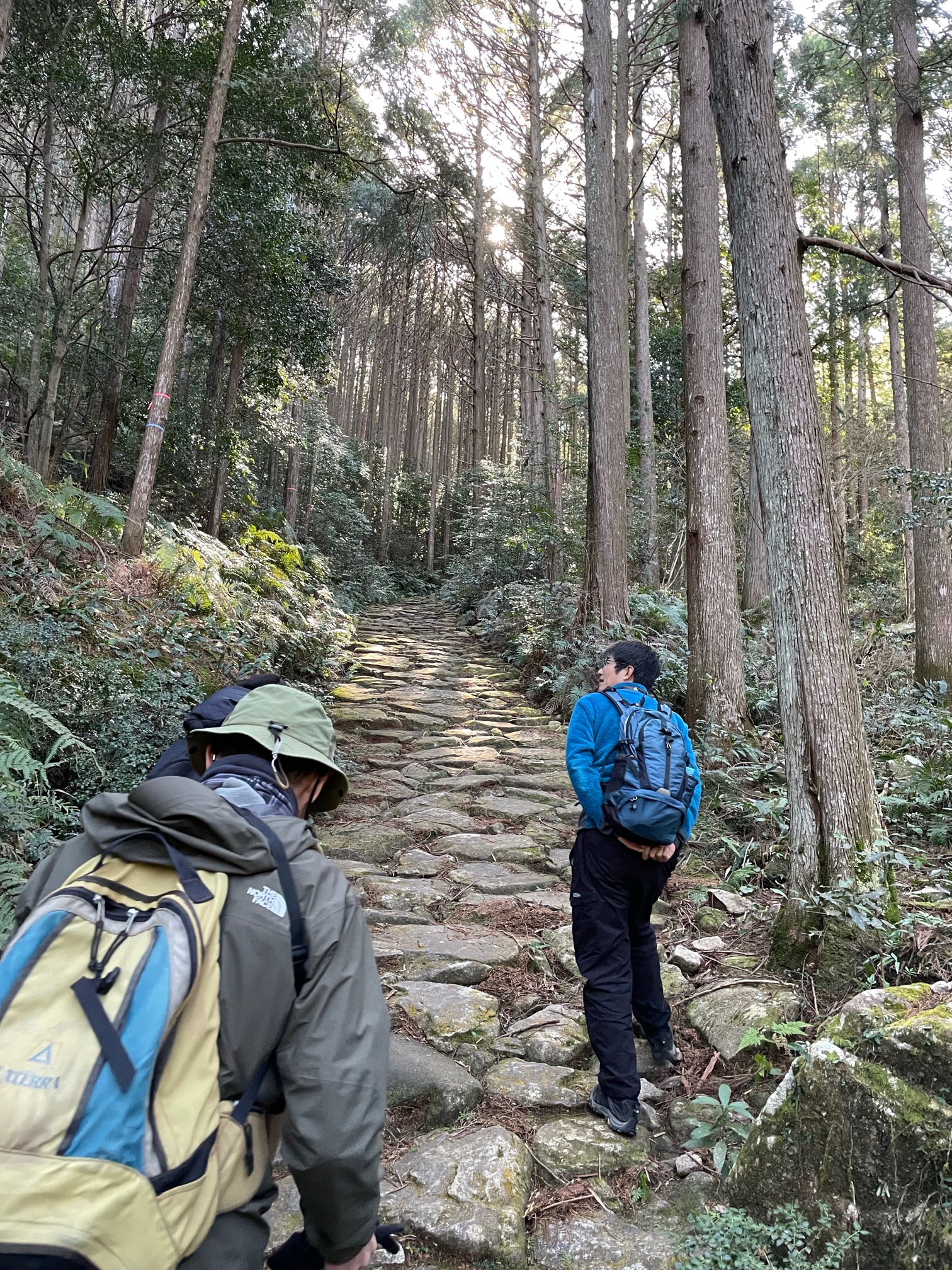
You will take a guided stroll through Magose Pass, the most popular section of the Kumano Kodo Iseji pilgrimage route, a UNESCO World Heritage site. Imagine the people who, after visiting Ise Grand Shrine in the Edo period, walked this pass towards the Kumano Sanzan shrines.
-
-
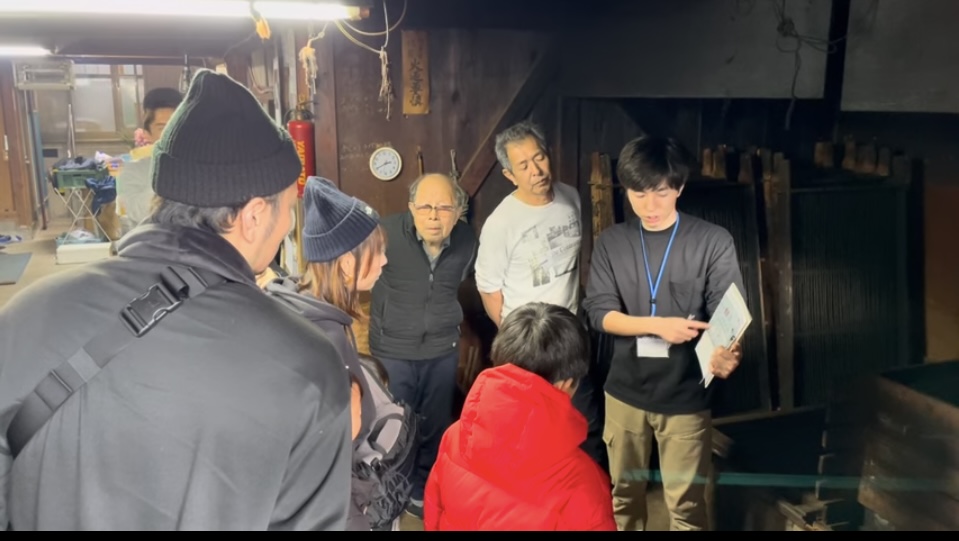
This is the last remaining katsuobushi (dried bonito flakes) shop in Hikimotoura, a town that once prospered from pole-and-line bonito fishing. Visitors can observe the process of making katsuobushi using the traditional hand-fired smoking method that has been passed down since the Edo period, and also sample the finished product.
-
-
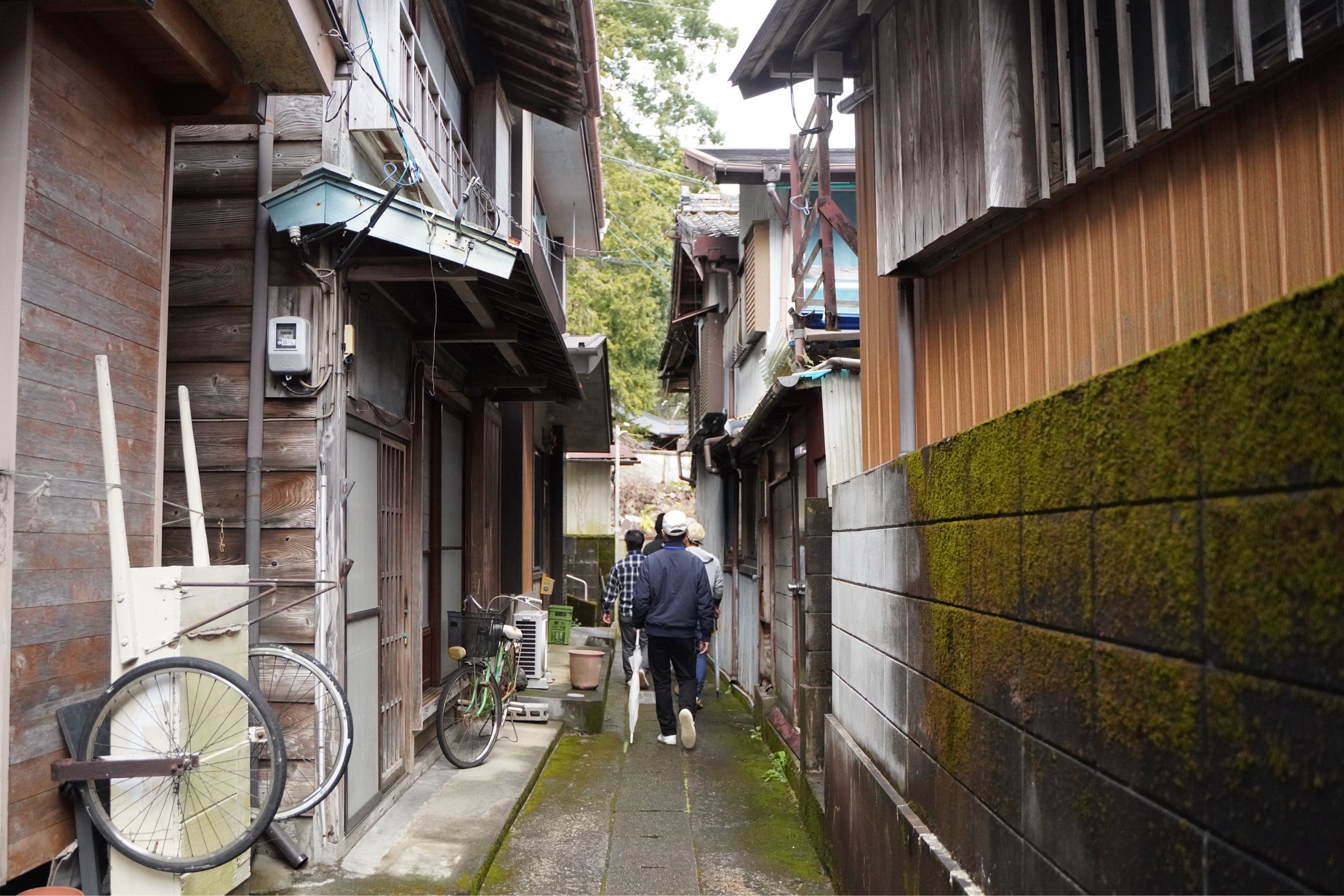
A stroll through Hikimotoura, a fishing town that once prospered as a port for waiting for favorable winds and for its skipjack tuna fishing. The photo shows a narrow alley called "ae".
-
-
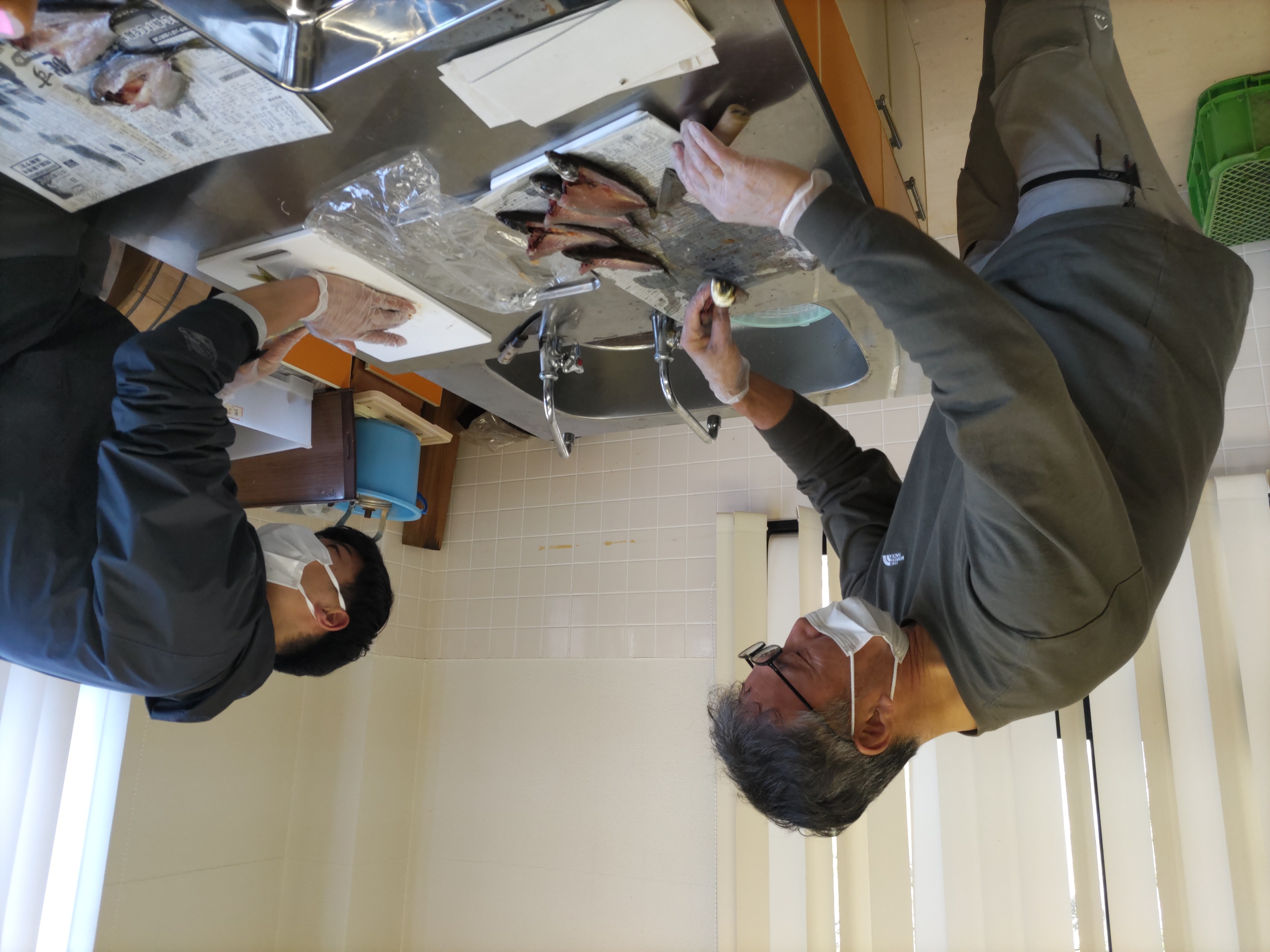
Scenes from a "dried fish making experience" using horse mackerel and mackerel.
-
-
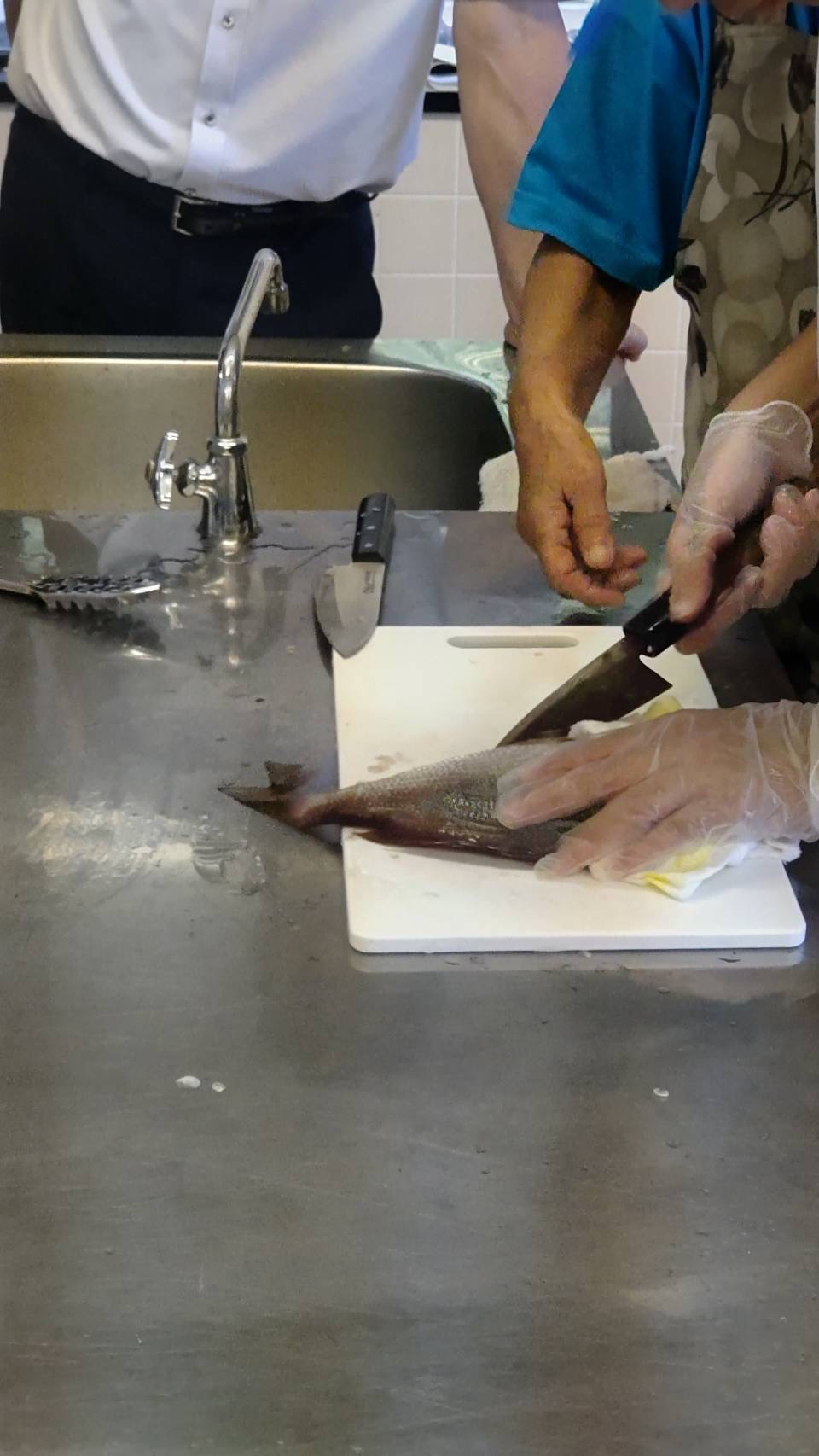
This is an experience where you can learn how to prepare a sea bream. After filleting it into three pieces, you will enjoy it as sashimi and other dishes for lunch (rice and seaweed soup included).
-
-
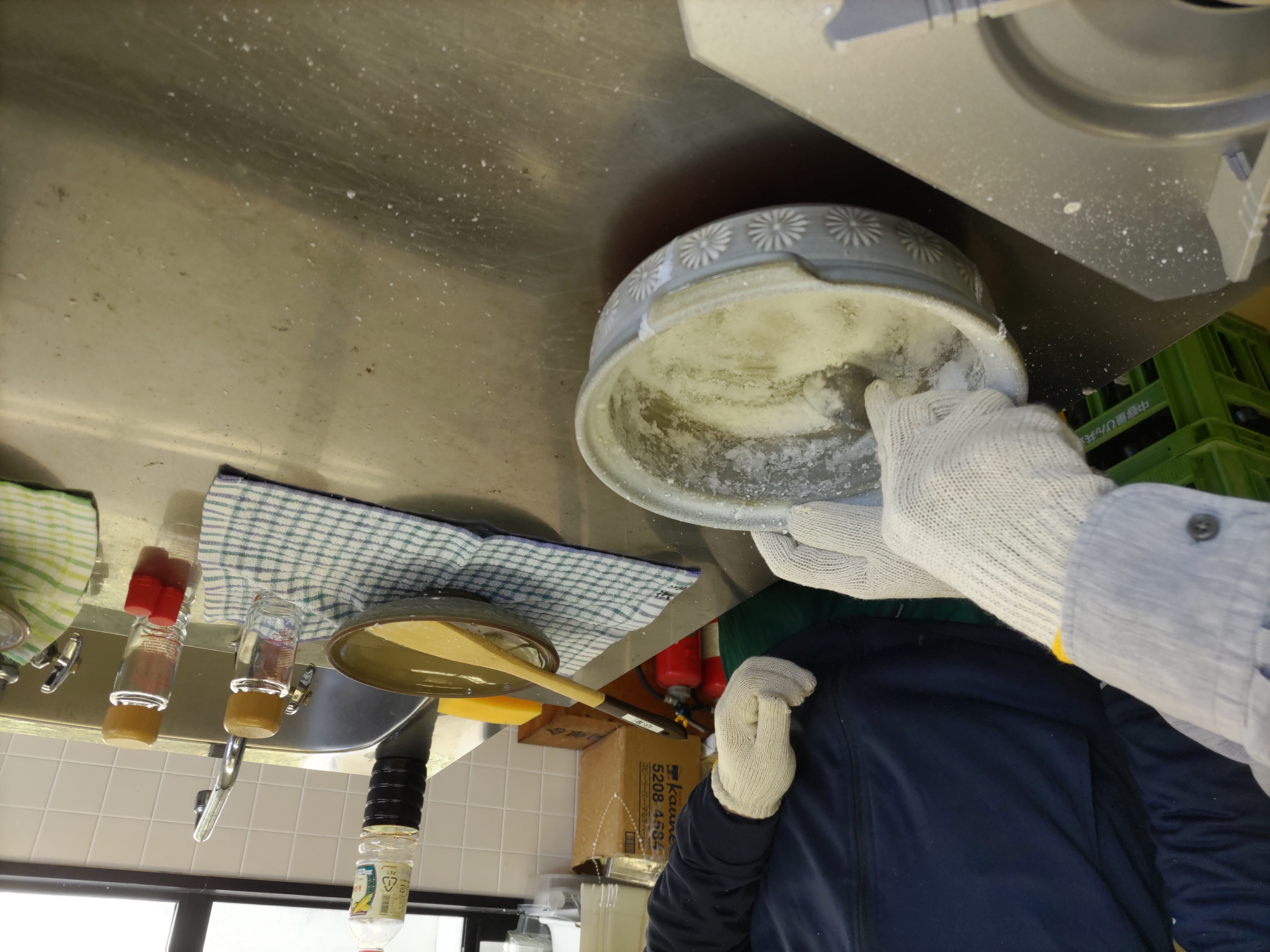
A scene from the "salt-making experience." Salt is made by boiling down brine that has been prepared in advance.
-
-
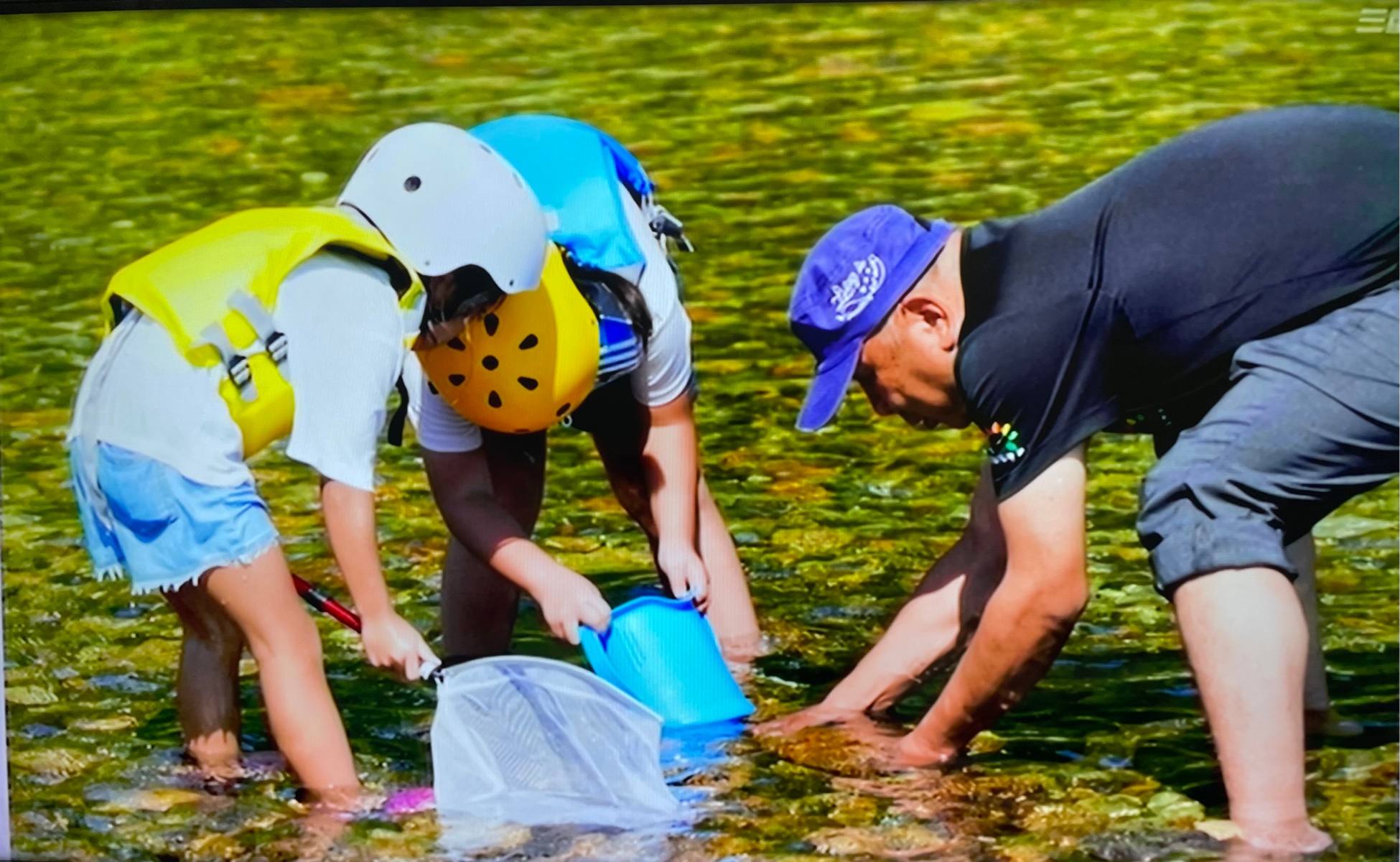
This is a scene from the "River Creature Observation Experience Using a Peeping Box."
-
-
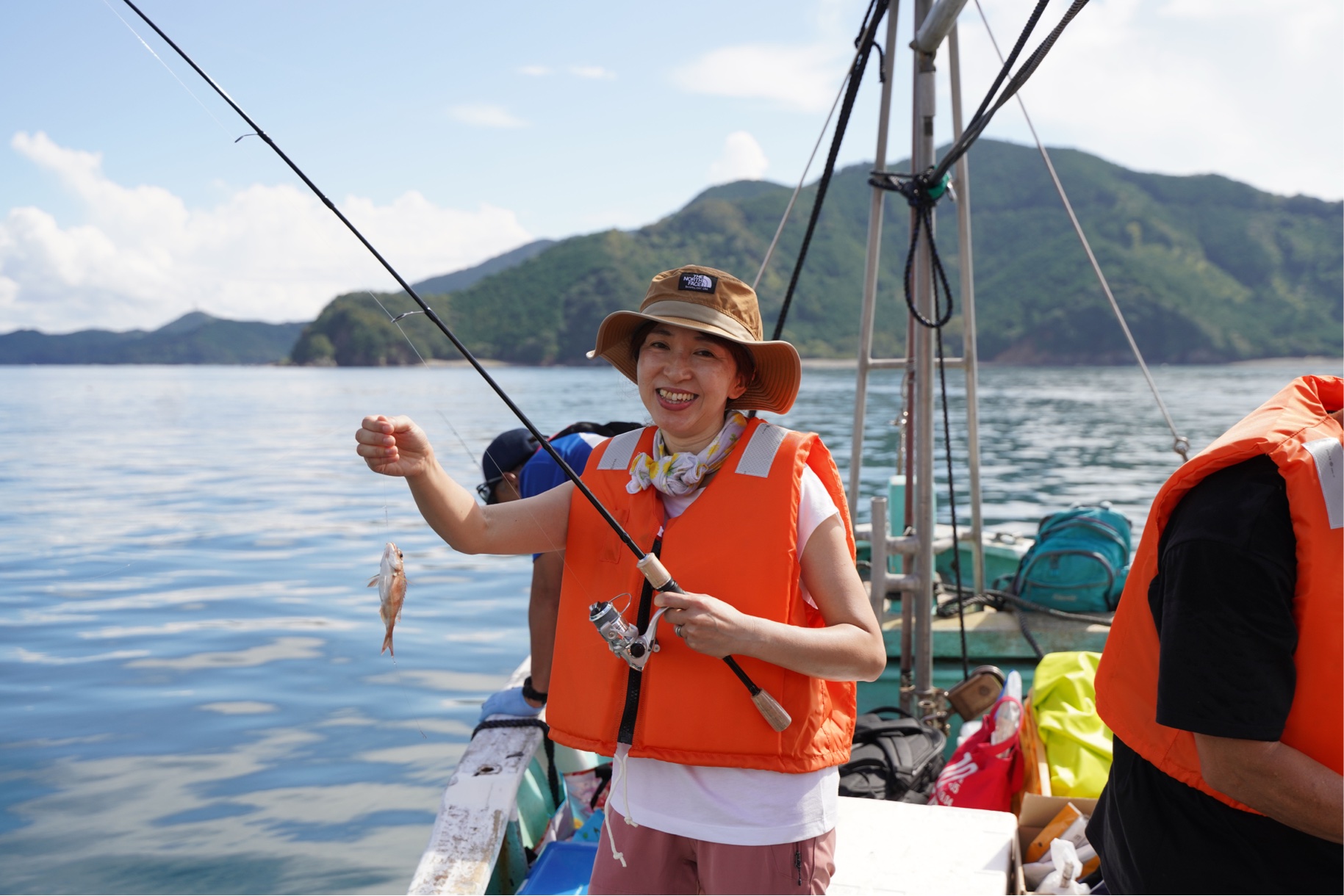
You can experience boat fishing, raft fishing, and other similar activities in the calm waters of Hikimoto Bay.
-
-
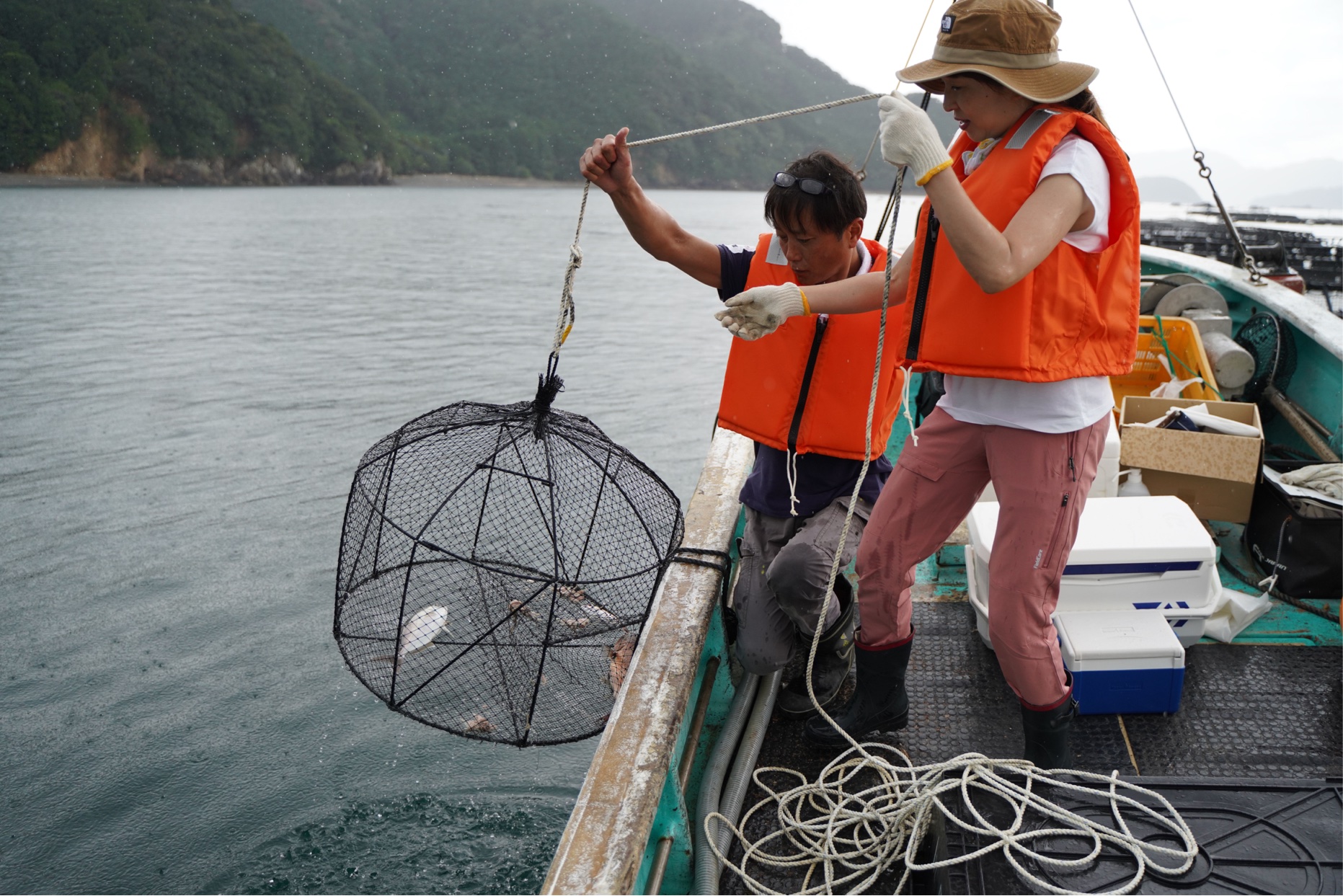
You can experience "fish trap fishing" in Hikimoto Bay. You will pull up the "fish traps" that you set with bait the day before.
-
-
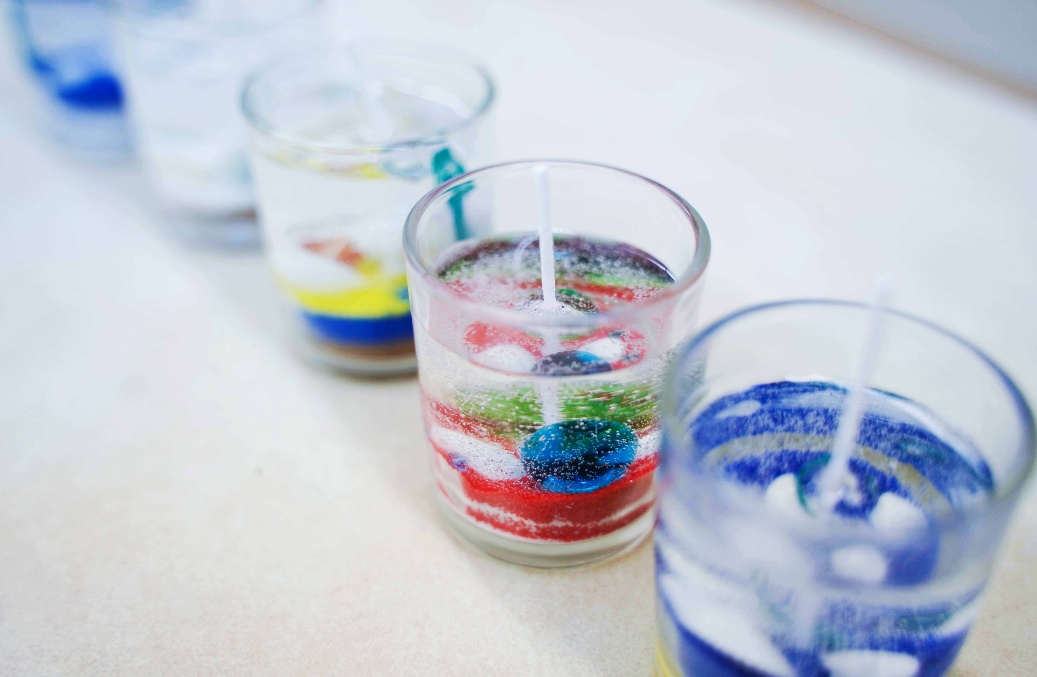
This is a finished product from the "Gel Candle Making Experience." You will create your own original candle using seashells, colored sand, and other materials.
-
-
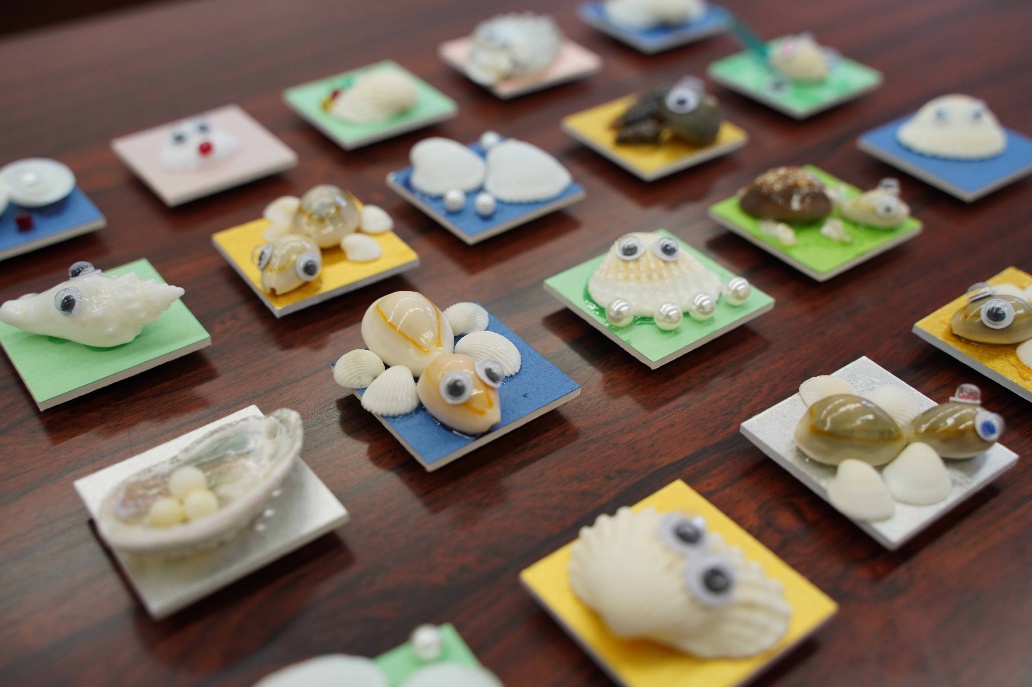
This is a finished product from the "Sea Magnet Making Experience." Participants fix seashells and other materials onto a base and create their own original magnets with their own designs.
